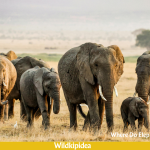

Elephants are herbivores, which means they eat plants rather than other animals.
So, what do elephants eat in the wild?
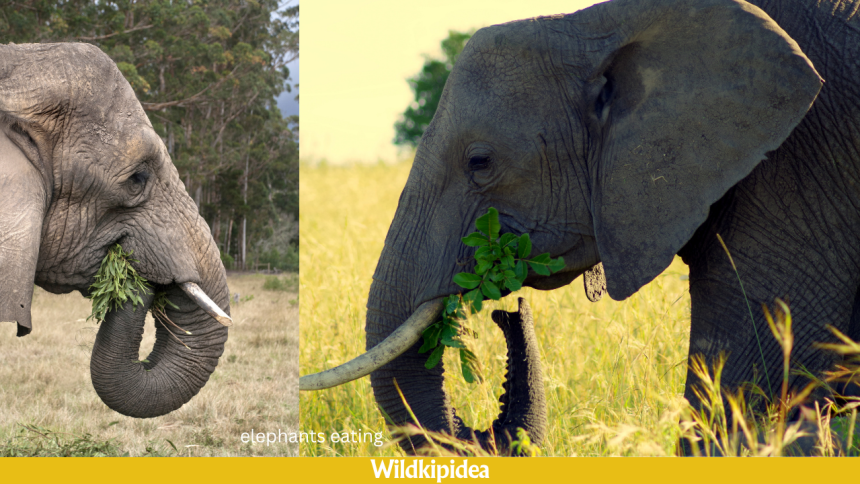
Elephants eat grass, leaves, bark, roots, fruits, seeds, flowers and other plant material. Their diet changes depending on their species, habitat, season and the plants available in their environment.
African elephants spend much of their day searching for food. Their large bodies require huge amounts of vegetation to maintain their energy.
What Do Elephants Eat?
Elephants eat many types of plant material, including:
- Grass
- Leaves
- Tree bark
- Roots
- Fruits
- Seeds
- Flowers
- Twigs
- Shrubs
- Aquatic plants
An elephant does not depend on one particular plant.
Their flexible diet helps them survive across different habitats, from African savannas and woodlands to tropical forests.
What Do African Elephants Eat?
African elephants eat a wide variety of vegetation.
Their diet often includes:
- Grasses
- Leaves
- Branches
- Bark
- Roots
- Fruits
- Seeds
- Herbs
- Shrubs
Savanna elephants often consume large amounts of grass, while they also browse trees and shrubs.
Forest elephants have greater access to fruits, leaves, bark and other vegetation found inside tropical forests.
Do Elephants Eat Grass?
Yes.
Grass forms an important part of the diet of many African elephants, especially elephants living in open savanna environments.
Elephants use their trunks to gather grass before placing it into their mouths.
During rainy seasons, fresh grass becomes more abundant in many African ecosystems.
Do Elephants Eat Leaves?
Yes.
Elephants eat leaves from many different trees and shrubs.
They use their trunks to reach vegetation that grows above the ground.
An elephant’s trunk works as both a feeding tool and a sensory organ. It allows the animal to grasp individual leaves, branches and other food.
Do Elephants Eat Tree Bark?
Yes.
Elephants eat tree bark, especially when other food sources become less available.
They use their tusks and trunks to remove or manipulate bark from trees.
Tree bark provides fiber and other nutrients.
Elephants do not normally strip every tree they encounter. Their feeding behavior varies according to the species of tree, season and local food supply.
Do Elephants Eat Fruit?
Yes.
Fruit forms part of the diet of elephants, especially forest elephants.
Forest environments contain many fruiting trees and plants.
When fruit becomes available, elephants may consume large quantities.
Forest elephants also play an important role in moving seeds through their habitat. Seeds pass through their digestive system and later enter new areas through their dung.
Do Elephants Eat Roots?
Yes.
Elephants sometimes dig or pull up roots while searching for food.
Their trunks help them investigate soil and vegetation.
Their large size and strength also help them access food sources that smaller herbivores struggle to reach.
Do Elephants Eat Flowers?
Yes.
Elephants eat flowers when suitable species are available.
Flowers form a smaller part of their overall diet compared with grass, leaves, bark and other plant material.
Still, elephants have a flexible feeding strategy and consume many different types of vegetation.
How Much Do Elephants Eat?
Elephants eat large quantities of vegetation because of their enormous body size.
An adult elephant may spend many hours each day feeding.
The exact amount varies according to:
- Species
- Age
- Body size
- Season
- Habitat
- Food quality
- Availability of vegetation
African savanna elephants often spend a large portion of the day feeding and moving between feeding areas.
How Do Elephants Find Food?
Elephants use their excellent sense of smell to locate food and water.
Their trunks help them:
- Smell vegetation
- Pull grass
- Pick leaves
- Break branches
- Collect fruit
- Dig for roots
- Carry food to the mouth
Their trunks contain thousands of muscles and provide remarkable control.
How Do Elephants Eat?
Elephants use their trunks to collect food and place it into their mouths.
They also use their tusks in some feeding activities, especially when working with bark, branches or soil.
Their large molar teeth grind tough plant material.
Elephants replace their molars several times throughout their lives. This adaptation helps them continue processing large amounts of fibrous vegetation as older teeth wear down.
Do Elephants Drink Water?
Yes.
Water plays an important role in elephant survival.
Elephants drink substantial amounts of water when available.
They use their trunks to draw water and then transfer it into their mouths.
They also use water for bathing, cooling their bodies and maintaining healthy skin.
What Do Elephants Eat During the Dry Season?
The dry season changes the availability of vegetation.
Fresh grass might become less abundant, so elephants may rely more heavily on:
- Tree leaves
- Bark
- Branches
- Roots
- Dry grasses
- Available fruits
- Shrubs
Elephants often travel farther during dry periods as they search for food and water.
What Do Elephants Eat During the Rainy Season?
The rainy season often produces more fresh vegetation.
Elephants may find abundant:
- Green grass
- Leaves
- Herbs
- Flowers
- Fruits
- Young plants
The increase in vegetation provides elephants with more feeding opportunities.
Do Baby Elephants Eat the Same Food as Adults?
Young elephants gradually move from a milk-based diet to eating solid vegetation.
Calves depend heavily on their mothers’ milk during early life.
As they grow, they begin sampling grass, leaves and other plant material.
Their mothers and other members of the herd help protect them while they learn how to feed and survive.
What Do Forest Elephants Eat?
African forest elephants eat a broad range of forest vegetation.
Their diet includes:
- Fruits
- Leaves
- Bark
- Seeds
- Roots
- Herbs
- Branches
- Other plant material
Fruit forms an important part of the diet of many forest elephants.
Their feeding behavior also contributes to seed dispersal, which helps shape forest ecosystems.
What Do Savanna Elephants Eat?
African savanna elephants eat grasses, leaves, bark, branches, roots, fruits and other vegetation.
Their diet changes according to the season.
During periods of abundant grass, elephants may spend more time grazing.
When grass becomes less available, they may browse trees and shrubs.
Do Elephants Eat Meat?
No.
Elephants are herbivores. Their natural diet consists primarily of plant material.
They do not hunt other animals for food.
Their digestive system is adapted to processing large amounts of vegetation.
Do Elephants Eat Soil?
Elephants sometimes consume soil or mineral-rich earth.
This behavior is known as geophagy.
They might seek mineral-rich soil when certain nutrients are limited in their regular diet.
This behavior occurs in several herbivorous animals and forms part of the natural feeding behavior of elephants.
How Does an Elephant’s Diet Affect the Environment?
Elephants have a major influence on their habitats.
While feeding, elephants:
- Break branches
- Remove bark
- Trample vegetation
- Create pathways
- Open areas of dense vegetation
- Spread seeds
- Add nutrients to the soil through dung
These activities affect the structure of their environment.
Elephants are therefore often described as ecosystem engineers because their feeding and movement can change habitats in ways that affect other species.
Frequently Asked Questions
What do elephants eat in the wild?
Elephants eat grass, leaves, bark, roots, fruits, seeds, flowers, branches and other plant material.
What do African elephants eat?
African elephants eat different vegetation depending on their habitat and season. Common foods include grass, leaves, bark, roots, branches and fruit.
Do elephants eat meat?
No. Elephants are herbivores and naturally feed on plants.
Do elephants eat bananas?
Elephants eat many types of fruit when available. Bananas are not a necessary part of their natural diet.
Do elephants eat tree bark?
Yes. Tree bark provides fiber and other nutrients and forms part of the diet of many wild elephants.
How many hours do elephants spend eating?
Elephants spend much of their day feeding. The exact feeding time varies according to food availability, habitat, season and individual needs.
Do elephants drink water every day?
Elephants depend heavily on water, especially in hot environments. Their drinking frequency changes according to temperature, season and access to water.
Conclusion
So, what do elephants eat?
Elephants eat a wide variety of plants, including grass, leaves, bark, roots, fruits, seeds, flowers and branches.
Their flexible diet helps them survive in different African habitats. Savanna elephants often rely heavily on grass and browse, while forest elephants consume substantial amounts of fruit, leaves and other forest vegetation.
Their feeding behavior also affects the environment around them. By spreading seeds, opening vegetation and creating pathways, elephants influence the ecosystems where they live.
Understanding the elephant diet also helps explain why elephants need large, healthy habitats with enough food and water throughout the year.