
Giraffes are among the most recognizable animals in Africa. Their long necks, tall legs and unique spotted coats make them easy to identify.
But where do giraffes live?
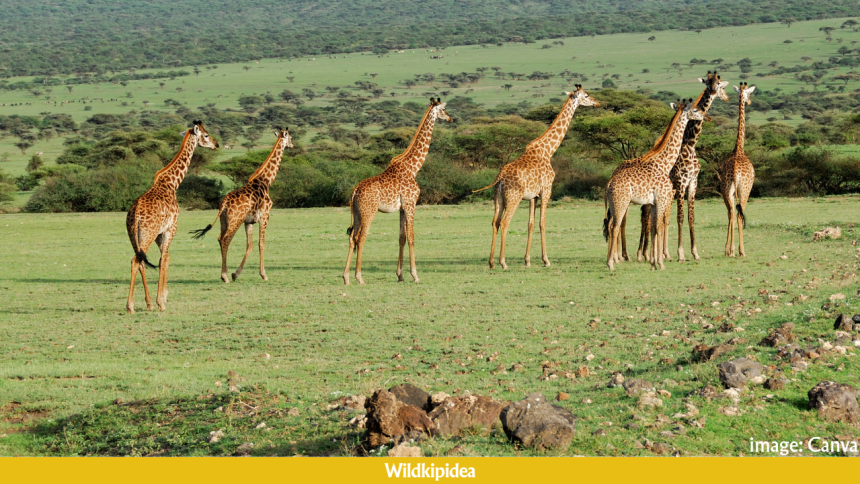
Wild giraffes live mainly in sub-Saharan Africa. They occupy savannas, grasslands, woodlands, shrublands and other areas where enough trees and shrubs provide food.
Their distribution has changed over time. Habitat loss, fragmentation and other pressures have reduced giraffe populations in parts of their former range. Today, giraffes live in scattered populations across several African countries.
In this post, you will learn about the giraffe habitat, where giraffes are found, which African countries support wild giraffes, and how their environment affects their survival.
Where Do Giraffes Live?
Giraffes live mainly in sub-Saharan Africa.
Their preferred environments often contain trees and shrubs because giraffes are browsers. They use their long necks and tongues to feed on leaves and other vegetation above the reach of many smaller herbivores.
The giraffe natural habitat includes:
- Savannas
- Open woodlands
- Grasslands with scattered trees
- Shrublands
- Dry forests
- Semi-arid landscapes
Southern African wildlife authorities describe giraffes as strongly associated with savanna and woodland environments, particularly areas containing suitable woody vegetation.
Where Do Giraffes Live in Africa?
Giraffes live across parts of eastern, southern and western Africa.
The exact giraffe distribution varies among populations and subspecies.
Countries with wild giraffes include:
- Kenya
- Tanzania
- Uganda
- Ethiopia
- Namibia
- Botswana
- Zimbabwe
- Zambia
- South Africa
- Mozambique
- Niger
- Senegal
- Cameroon
- Chad
- South Sudan
Some populations occupy protected areas, while others live outside national parks on private or communal land.
The countries where giraffes live have different climates and habitats, so giraffes have adapted to a wide range of African environments.
Read: What Do Elephants Eat? Complete African Elephant Diet Guide
What Is the African Giraffe Habitat Like?
The African giraffe habitat usually contains a mixture of trees, shrubs and open areas.
Giraffes need vegetation for feeding and enough space to move between feeding areas.
They often occur in landscapes dominated by:
- Acacia and related woody plants
- Bushes
- Open woodland
- Grassland
- Shrubland
Giraffes do not need dense forests. Open habitats allow them to move easily while giving them access to trees and shrubs.
Do Giraffes Live in the Savanna?
Yes.
The giraffe savanna is one of the best-known environments for these animals.
African savannas contain grasslands mixed with scattered trees and shrubs. These landscapes provide giraffes with access to leaves while also giving them open areas for movement.
Giraffes often feed on trees during the day and move through different parts of their home range as food availability changes.
Research summarized by SANBI shows strong associations between giraffes and savanna or woodland habitats containing suitable woody vegetation.
Do Giraffes Live in Woodlands?
Yes.
A giraffe woodland habitat provides many of the resources these animals need.
Woodlands contain trees and shrubs that provide leaves and other browse.
Giraffes are well suited to browsing because their height allows them to reach vegetation growing several meters above the ground.
Woodland conditions also vary from one region to another. Some giraffes live in relatively open woodlands, while others occupy areas with denser vegetation.
Where Are Giraffes Found in East Africa?
East Africa supports several important giraffe populations.
Kenya and Tanzania are particularly important countries for giraffes.
Kenya
Giraffes live across several Kenyan ecosystems.
They occur in savannas, woodlands and protected wildlife areas.
The country’s diverse wildlife habitats provide different feeding opportunities for giraffes.
Tanzania
Tanzania also supports important giraffe populations.
Giraffes occur across savanna and woodland ecosystems, including areas around major wildlife parks and reserves.
The Serengeti ecosystem provides a well-known example of an African landscape where giraffes live.
Uganda
Uganda has giraffe populations in several protected areas.
The country’s savannas and woodland landscapes provide suitable habitat for browsing animals.
Where Do Giraffes Live in Southern Africa?
Southern Africa supports important giraffe populations in countries such as Namibia, Botswana, Zimbabwe, Zambia and South Africa.
Giraffes occur in a variety of savanna and woodland environments across the region.
In Namibia, some giraffes live in dry environments where food and water availability strongly influence their movements.
SANBI reports that giraffes are adapted to dry and arid habitats, with seasonal food availability playing an important role in their distribution.
Do Giraffes Live in Deserts?
Giraffes do not normally live in extremely barren deserts.
However, some populations live in dry and semi-desert environments where enough trees and shrubs provide food.
Northern Namibia provides an example of a very dry landscape where giraffes survive.
In such environments, giraffes need to cope with limited vegetation and water.
Their ability to browse trees and shrubs gives them access to food even when grass becomes scarce.
Do Giraffes Live in Forests?
Giraffes generally prefer open environments rather than dense tropical forests.
They need access to trees and shrubs, but dense forest makes movement and feeding more difficult.
Dry woodland and open forest areas provide more suitable conditions than dense rainforest.
Also Read: What Do Lions Eat in the Wild? | Complete Lion Diet Guide
How Do Giraffes Survive in Their Habitat?
Giraffes have several adaptations that help them survive in African environments.
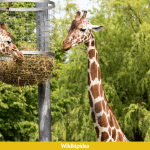
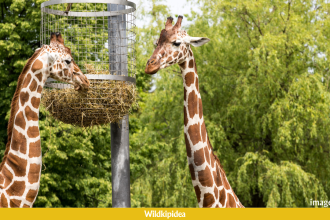
Their long necks allow them to reach leaves high above the ground.
Their long tongues help them pull leaves from branches.
Their height gives them a wide view of the surrounding landscape, which helps them detect approaching predators and other dangers.
Their ability to feed from tall vegetation also reduces direct competition with some shorter herbivores.
What Do Giraffes Eat in the Wild?
Giraffes mainly browse on leaves, shoots, flowers and other plant material.
They often feed from trees and shrubs.
Their diet varies depending on the vegetation available in their habitat.
During dry periods, food availability becomes an important factor influencing giraffe movements.
This relationship between food and habitat helps explain why giraffes often occur in areas with abundant woody vegetation.
How Far Do Giraffes Travel?
Giraffes do not all use the same size home range.
Their movements depend on food availability, habitat quality, season and local environmental conditions.
Research summarized by SANBI reports substantial variation in giraffe home-range size across Africa, with some populations using relatively small areas and others occupying hundreds of square kilometers.
Giraffes in dry environments often need to travel farther to find suitable food.
Do Giraffes Migrate?
Some giraffe populations move between different areas as environmental conditions change.
Their movements often relate to food and water availability.
Unlike some large herbivores that make dramatic seasonal migrations, giraffe movement patterns vary greatly between populations.
Their movements depend heavily on local habitat conditions.
Why Has the Giraffe Range Declined?
The historic giraffe range was larger than the modern range.
Giraffe populations have declined in several parts of Africa because of pressures such as:
- Habitat loss
- Habitat fragmentation
- Agricultural expansion
- Human population growth
- Illegal hunting
- Civil conflict in some regions
The IUCN has documented major reductions in giraffe distribution and population numbers in parts of Africa.
Habitat fragmentation also separates populations and reduces access to traditional feeding areas.
Are Giraffes Endangered?
Giraffe conservation status varies among species and subspecies.
The giraffe as a whole has been assessed as Vulnerable on the IUCN Red List, while some giraffe subspecies have higher levels of conservation concern.
The West African giraffe and Rothschild’s giraffe have faced particularly serious threats and have received stronger conservation attention.
This variation makes it important to look beyond the general species name when discussing giraffe conservation.
Why Is Giraffe Habitat Important?
Giraffe habitat supports much more than giraffes.
Savannas and woodlands also provide homes for:
Protecting giraffe habitat therefore helps conserve wider African ecosystems.
Healthy woodland and savanna systems provide food, shelter and movement routes for many species.
Frequently Asked Questions
Where do giraffes live?
Giraffes live mainly in sub-Saharan Africa, especially in savannas, woodlands, shrublands and other habitats with suitable trees and shrubs.
Where do giraffes live in Africa?
Giraffes live in parts of East, Southern and West Africa. Kenya, Tanzania, Namibia, Botswana, Zimbabwe, Zambia and South Africa support important populations.
Where are giraffes found?
Wild giraffes are found in several African countries, mainly in savanna and woodland ecosystems.
Do giraffes live in the jungle?
Giraffes generally prefer open habitats such as savannas and woodlands rather than dense tropical rainforest.
Do giraffes live in deserts?
Some giraffes live in dry and semi-desert environments where enough trees and shrubs provide food.
What is a giraffe’s natural habitat?
A giraffe’s natural habitat includes savannas, open woodlands, shrublands, grasslands with scattered trees and some dry environments.
Why do giraffes live in the savanna?
Savannas provide giraffes with access to trees and shrubs for browsing while also giving them open space for movement.
Conclusion
So, where do giraffes live?
Giraffes live mainly across sub-Saharan Africa, where they occupy savannas, woodlands, shrublands and other habitats with suitable vegetation.
Their long necks, tongues and tall bodies make them especially well adapted to feeding on leaves high above the ground.
But suitable habitat remains essential. As natural landscapes become fragmented, giraffes lose access to feeding areas and movement routes.
Protecting African savannas and woodlands therefore plays an important role in protecting giraffes and the many other animals that share their habitat.
References
[1] South African National Biodiversity Institute (SANBI). Giraffe, Giraffa camelopardalis. Species Status Information. https://speciesstatus.sanbi.org/taxa/detail/2047/
[2] IUCN Red List of Threatened Species. Giraffa camelopardalis, Giraffe. IUCN Red List assessment and species information. https://www.iucnredlist.org/
[3] IUCN SSC Giraffe and Okapi Specialist Group. Giraffe conservation and population information. https://giraffids.org/