
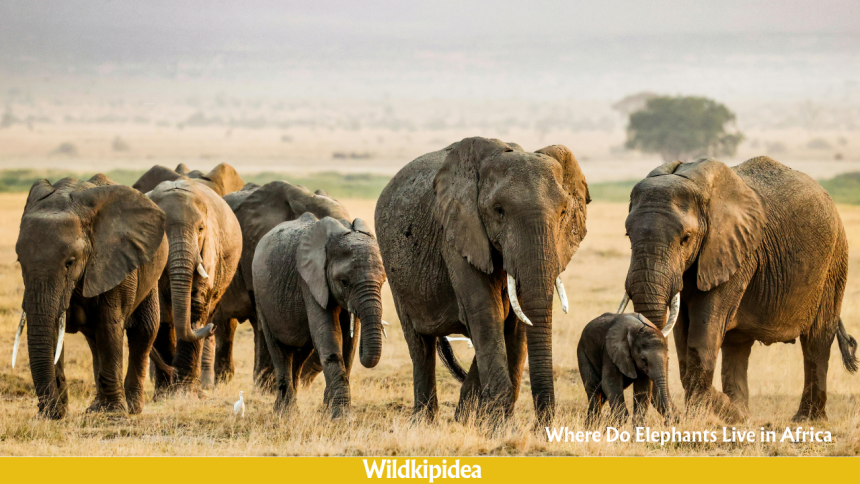
Elephants are among the largest land animals on Earth. They live across different parts of Africa and Asia, but African elephants occupy a much larger range than their Asian relatives.
So, where do elephants live?
African elephants live mainly in sub-Saharan Africa. They occupy savannas, forests, woodlands, wetlands, grasslands and some desert environments. Their habitat depends on the elephant species, food availability, water and seasonal conditions.
In this post, you will learn where African elephants live, which countries have wild elephants, what habitats they prefer, and how their environment affects their daily lives.
Where Do Elephants Live?
Wild elephants live in Africa and Asia.
Africa has two recognized elephant species:
- African savanna elephant
- African forest elephant
Asian elephants form a separate species found across parts of South and Southeast Asia.
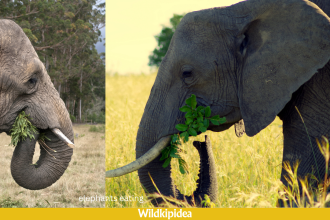
African savanna elephants generally occupy open landscapes such as grasslands, savannas and woodlands. African forest elephants live mainly in the forests of Central and West Africa.
Where Do African Elephants Live?
African elephants live across parts of sub-Saharan Africa.
Their populations occur in countries including:
- Botswana
- Zimbabwe
- Tanzania
- Kenya
- Zambia
- Namibia
- South Africa
- Uganda
- Mozambique
- Malawi
- Cameroon
- Gabon
- Republic of the Congo
- Democratic Republic of the Congo
- Central African Republic
Their distribution is uneven. Some countries support large elephant populations, while others have smaller and more fragmented populations.
Elephants also live across international borders. Large landscapes allow herds to move between countries in search of food, water and suitable seasonal habitats.
Where Do African Savanna Elephants Live?
African savanna elephants live mainly in open habitats.
Their environments include:
- Grasslands
- Savannas
- Woodlands
- Shrublands
- Wetlands
- River valleys
- Seasonal floodplains
The availability of water strongly influences where elephants spend their time.
During dry periods, elephants often travel long distances to reach water and areas with enough vegetation.
Where Do African Forest Elephants Live?
African forest elephants live mainly in the tropical forests of Central and West Africa.
Important forest elephant habitats occur in countries such as:
- Gabon
- Cameroon
- Republic of the Congo
- Democratic Republic of the Congo
- Central African Republic
Forest elephants are smaller than African savanna elephants and have physical features suited to life in dense forest environments.
Their habitats contain thick vegetation, trees, fruits and other plant foods.
What Is an Elephant’s Natural Habitat?
Elephants are adaptable animals. They live in different environments as long as they have access to sufficient food, water and space.
Their natural habitats include:
Savannas
Savannas provide grasses, shrubs, trees and water sources.
African savanna elephants often move across large savanna landscapes while searching for food and water.
Woodlands
Woodlands provide trees, shrubs and grasses.
Elephants feed on different types of vegetation within these environments.
Forests
Forest elephants live in dense tropical forests.
They feed on leaves, bark, fruits and other vegetation found within the forest.
Wetlands
Wetlands provide water and vegetation.
Elephants often visit rivers, swamps, lakes and floodplains, particularly during dry periods.
Deserts
Some elephant populations have adapted to extremely dry environments.
Desert-adapted elephants occur in parts of Namibia. These elephants travel across dry landscapes while following available water and vegetation.
Which African Countries Have Elephants?
Wild elephants occur across several African countries.
Southern and eastern Africa support some of the largest remaining elephant populations.
Important elephant landscapes occur in:
- Botswana
- Zimbabwe
- Tanzania
- Kenya
- Zambia
- Namibia
- South Africa
- Mozambique
Forest elephants also occur in parts of Central and West Africa.
The exact distribution changes over time as elephant populations face habitat loss, poaching, human development and conservation efforts.
Where Do Elephants Live in East Africa?
East Africa contains important elephant habitats.
Kenya, Tanzania and Uganda support wild elephant populations across several protected areas and wider wildlife landscapes.
Kenya
Kenyan elephants live in areas such as savannas, woodlands and national parks.
Tsavo and Amboseli are well-known elephant landscapes.
Amboseli is particularly famous for large elephant herds and views of Mount Kilimanjaro.
Tanzania
Tanzania contains extensive elephant habitat.
Elephants live across several protected areas and wildlife ecosystems, including the Serengeti, Tarangire and other landscapes.
Large protected areas give elephants room to move between feeding and watering areas.
Uganda
Uganda also supports wild elephants.
Elephants live in savanna and forest environments across several protected areas.
Where Do Elephants Live in Southern Africa?
Southern Africa supports some of Africa’s most important elephant populations.
Botswana, Zimbabwe, Namibia, Zambia and South Africa contain major elephant landscapes.
Botswana
Botswana has one of Africa’s largest elephant populations.
The Okavango Delta and Chobe region provide important habitats.
During dry periods, elephants depend heavily on rivers, floodplains and other water sources.
Zimbabwe
Zimbabwe has large elephant populations across several protected landscapes.
Hwange National Park is one of the country’s best-known wildlife areas.
Namibia
Namibia contains both savanna elephants and desert-adapted elephant populations.
These elephants survive in extremely dry environments where food and water can be widely scattered.
Do Elephants Live in the Rainforest?
Yes.
African forest elephants live in tropical rainforests.
The Congo Basin contains some of the most important remaining forest elephant habitat.
Forest elephants help shape their environment by feeding on vegetation and moving seeds through the forest.
Their decline therefore affects more than elephant populations. It also affects forest ecosystems.
Do Elephants Live in the Desert?
Some elephants live in desert and semi-desert environments.
Namibia has desert-adapted elephants that survive in dry landscapes.
These elephants need to manage limited water and food resources.
They travel considerable distances between available resources.
How Do Elephants Choose Where to Live?
Elephants need several basic resources:
- Food
- Water
- Shelter
- Space
- Safe routes between habitats
Food availability plays a major role.
Elephants eat large quantities of vegetation, so they need access to productive feeding areas.
Water also becomes especially important during hot and dry seasons.
How Far Do Elephants Travel?
Elephants often travel long distances while searching for food and water.
Their movement depends on:
- Season
- Water availability
- Food supply
- Habitat conditions
- Human settlements
- Roads and other barriers
Large connected habitats therefore matter greatly for elephant survival.
When roads, farms and settlements divide elephant habitat, their traditional movement routes become more difficult to use.
Why Do Elephants Need Large Habitats?
Elephants are large animals with high food and water requirements.
A small isolated habitat might not provide enough resources throughout the year.
Large connected landscapes give elephant populations access to different feeding areas, water sources and seasonal habitats.
Habitat connectivity also allows elephants to move between different areas without crossing heavily populated locations.
What Threatens Elephant Habitats?
Elephant populations face several threats.
Major pressures include:
- Habitat loss
- Habitat fragmentation
- Poaching
- Human-elephant conflict
- Agricultural expansion
- Roads and infrastructure
- Loss of natural corridors
Habitat loss creates particular problems because elephants require large areas.
When natural habitat becomes fragmented, elephants increasingly come into contact with farms and settlements.
Why Do Elephants Enter Farms?
Elephants sometimes enter agricultural areas while searching for food or water.
This creates conflict with farmers because elephants can damage crops and property.
From the elephant’s perspective, the movement often relates to access to food, water or traditional movement routes.
Conservation programs therefore need to consider both elephant protection and the needs of local communities.
Are African Elephants Endangered?
African elephants face serious conservation pressures.
The African savanna elephant is listed as Endangered on the IUCN Red List, while the African forest elephant is listed as Critically Endangered.
The two species face different levels of pressure across their ranges.
Habitat loss and fragmentation affect both species, while illegal killing for ivory has also contributed significantly to population declines.
Conservation programs focus on protecting habitat, reducing poaching, managing human-elephant conflict and maintaining wildlife corridors.
Frequently Asked Questions
Where do elephants live?
Elephants live in Africa and Asia. African elephants occur mainly in sub-Saharan Africa, while Asian elephants live across parts of South and Southeast Asia.
Where do African elephants live?
African elephants live in savannas, grasslands, woodlands, forests, wetlands and some desert environments across sub-Saharan Africa.
Do elephants live in forests?
Yes. African forest elephants live mainly in the tropical forests of Central and West Africa.
Do elephants live in the savanna?
Yes. African savanna elephants commonly live in grasslands, savannas and open woodlands.
Do elephants live in the desert?
Some African elephants live in desert and semi-desert environments. Namibia has populations adapted to very dry conditions.
Which African country has the most elephants?
Botswana supports one of Africa’s largest elephant populations. Population estimates change over time, so current figures should come from recent wildlife surveys.
Do elephants need water every day?
Elephants depend heavily on water, especially during hot and dry periods. Their movements often follow rivers, lakes, waterholes and seasonal water sources.
Bottom Line
So, where do elephants live?
African elephants live across a wide range of habitats, including savannas, grasslands, woodlands, forests, wetlands and some desert environments.
Their survival depends on access to food, water and large connected landscapes.
Protecting elephant habitat therefore involves more than protecting individual animals. Conservation also needs to protect migration routes, water sources, feeding areas and the communities living near elephant habitats.
Understanding where elephants live helps us understand why habitat protection matters for the future of African wildlife.